
12 Sep Gas Cylinder Safety
Gas Cylinder Safety Compressed gas cylinders require special handling because they present hazards from both the contents of the cylinder and the pressure under which those contents are stored. A damaged...


Gas Cylinder Safety Compressed gas cylinders require special handling because they present hazards from both the contents of the cylinder and the pressure under which those contents are stored. A damaged...
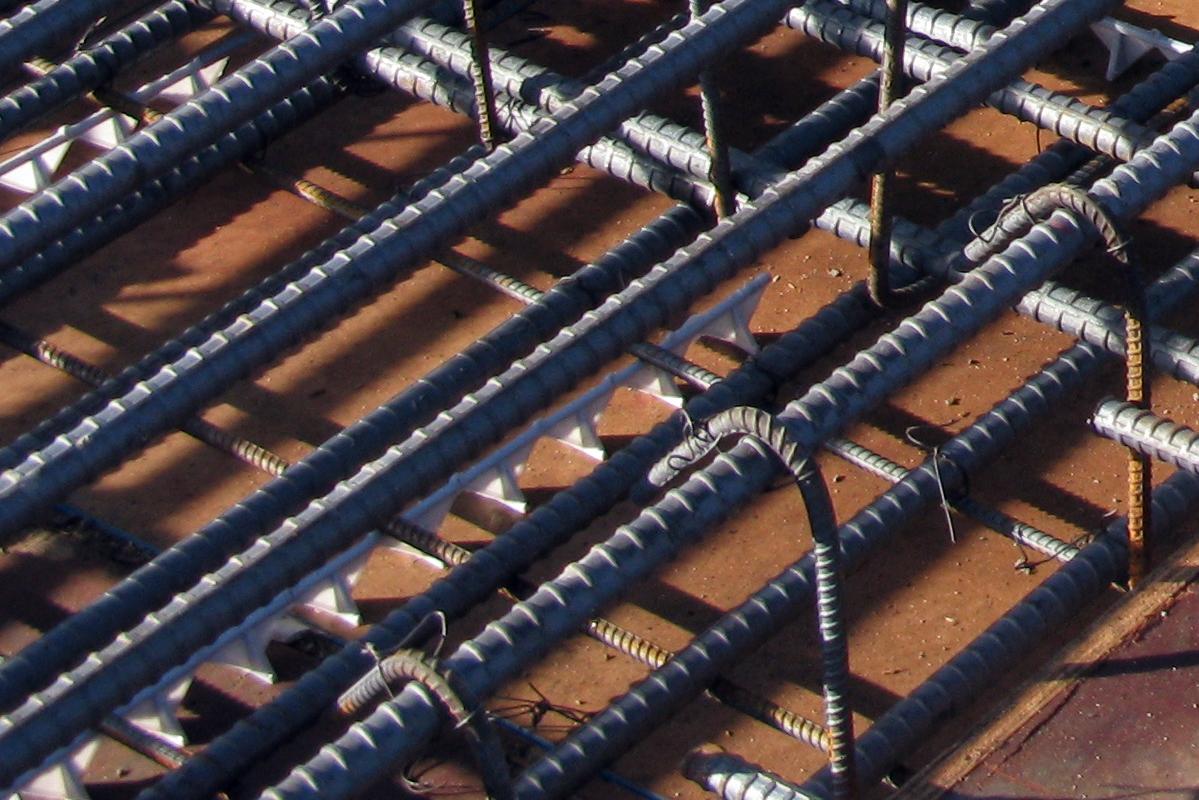
Rebar Safety - Impalement Protection Rebar impalement protection is required whenever employees could fall onto or otherwise be exposed to protruding reinforcing steel or similar projections. Exposed rebar can cause cuts...
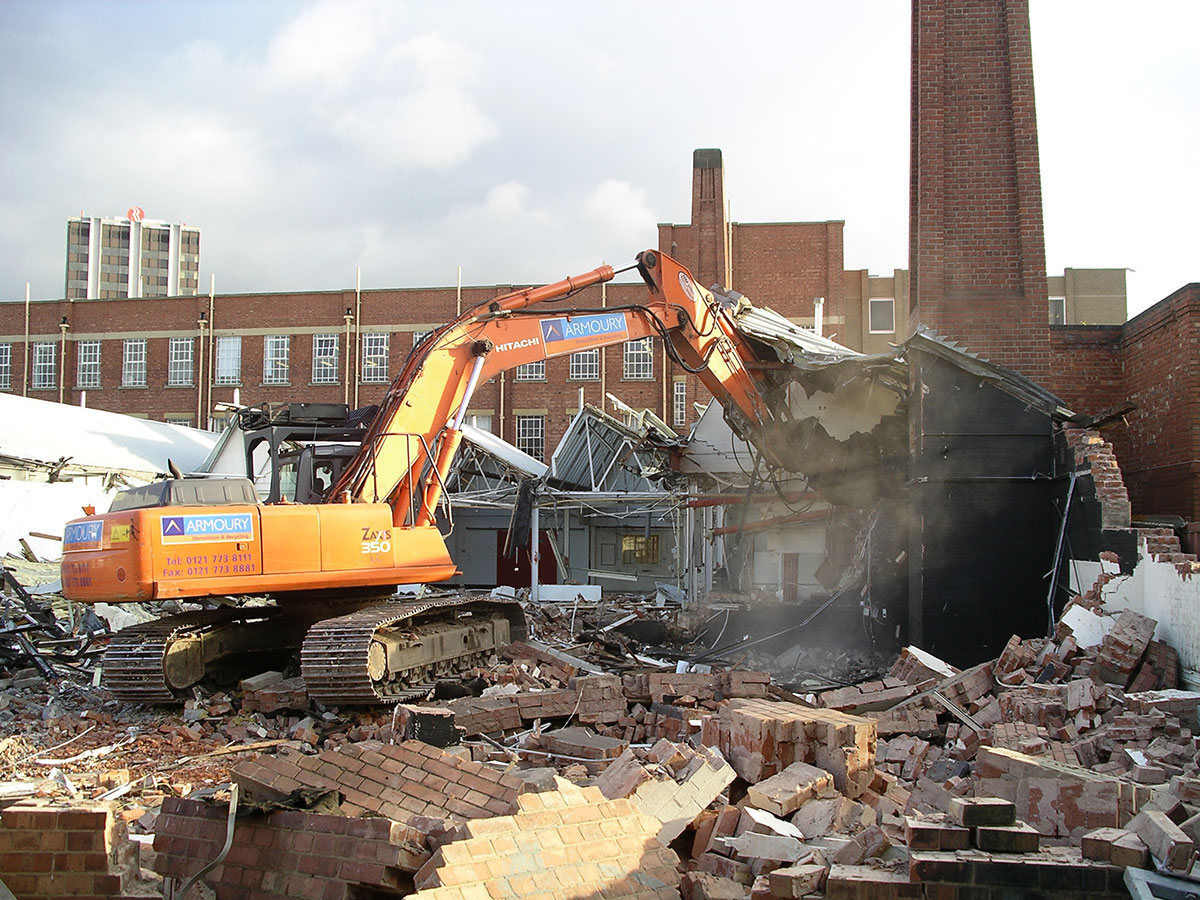
Demolition Safety Planning Demolition work presents unique hazards because structures are intentionally weakened and dismantled. Conditions can change rapidly, creating risks from premature collapse, falling materials, hazardous substances, utilities, heavy equipment,...

Metal Plating Safety Metal plating safety is essential because plating operations can expose workers to hazardous chemicals, corrosive liquids, toxic metals, hot solutions, electrical hazards, moving equipment, and harmful dusts and...

Contractor Safety Contractors often perform specialized work alongside company employees and other contractors. Without proper coordination, these activities can introduce hazards that affect everyone at the worksite. Effective contractor safety requires...

Dry Ice Safety - Safe Handling and Storage Dry ice is solid carbon dioxide (CO₂). Unlike ordinary ice, dry ice does not melt into a liquid under normal atmospheric conditions. Instead,...

Common Workplace Injuries Workplace injuries can result in pain, lost work time, reduced productivity, and significant costs for both employees and employers. Many injuries are preventable when workers recognize hazards, follow...

Flat Roofing Safety Flat or low-slope roofs may appear safer than steep roofs, but employees are still exposed to serious and potentially fatal falls from roof edges, openings, skylights, access points,...

Establishing a Hazard Communication Program Hazardous chemicals are used in many workplaces and may present health hazards, physical hazards, or both. OSHA’s Hazard Communication Standard (29 CFR 1910.1200) requires employers with...

Compactor and Baler Safety Compactors and balers are used to compress cardboard, paper, plastics, metals, garbage, and other materials into smaller loads for storage, recycling, or transportation. These machines use powerful...