


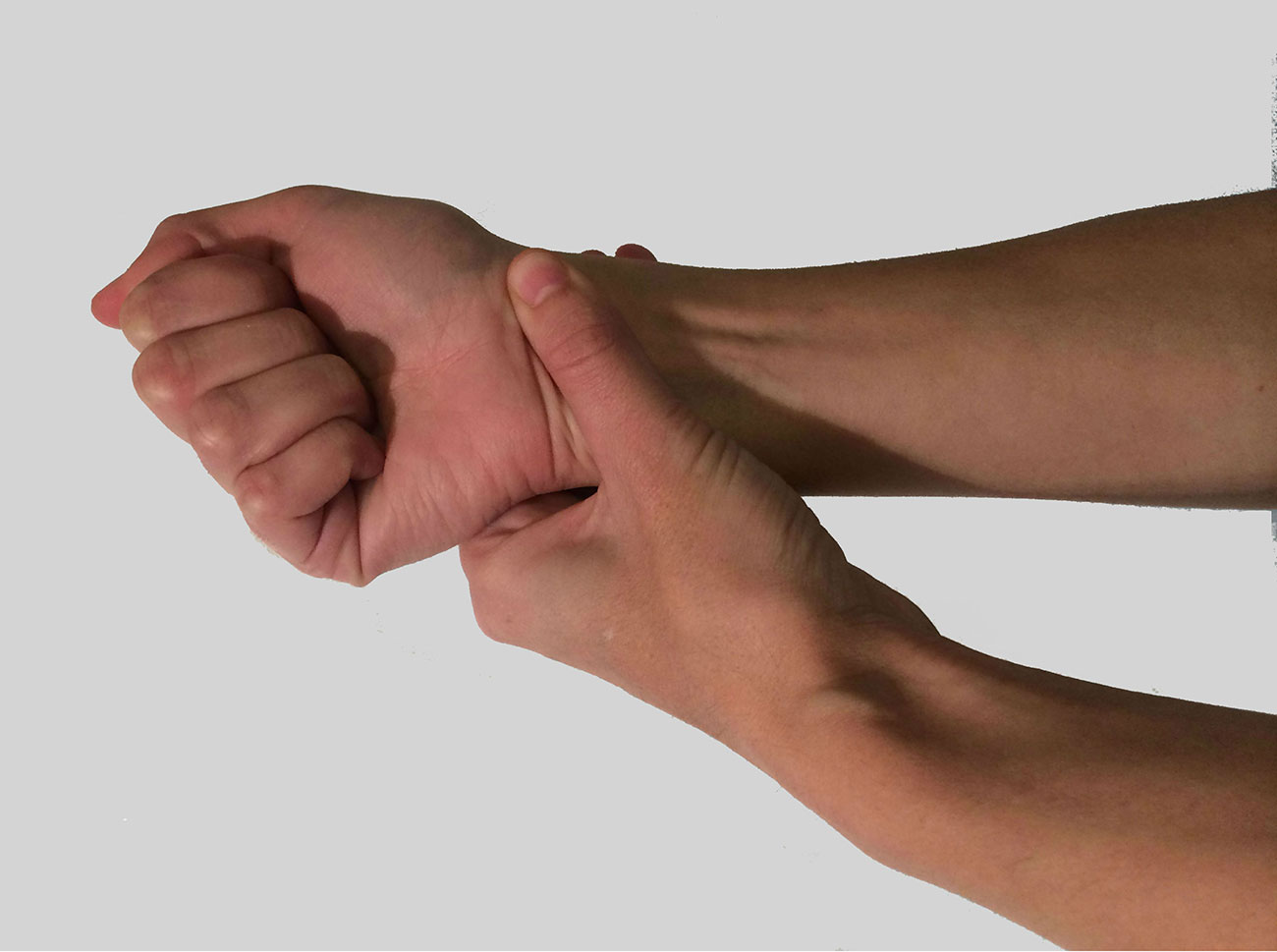
16 Apr Cumulative Trauma Disorders
Cumulative Trauma Disorders
How Can You Prevent Them?
Cumulative Trauma Disorders (CTDs), also known as repetitive strain injuries or work-related musculoskeletal disorders, can develop gradually when muscles, tendons, nerves, and joints are repeatedly stressed without adequate recovery. These disorders commonly affect the hands, wrists, arms, elbows, shoulders, neck, and back.
Unlike an injury caused by a single event, CTDs often develop over time. Repetitive motion, excessive force, awkward or sustained postures, vibration, and contact stress can all contribute to these injuries.
Common Risk Factors
Workers in construction, manufacturing, offices, warehouses, and many other occupations may be exposed to ergonomic risk factors. These include:
- Performing the same motion repeatedly for extended periods.
- Working in awkward or uncomfortable positions.
- Repeated bending, reaching, twisting, or working overhead.
- Frequent or heavy lifting, pushing, pulling, or carrying.
- Applying excessive force when using tools or handling materials.
- Maintaining the same posture for long periods.
- Using vibrating tools or equipment.
- Using poorly designed tools or workstations.
- Performing repetitive work without adequate recovery time.
The risk of injury generally increases when several of these factors occur together.
How Can You Reduce Your Exposure?
Good ergonomics means fitting the work to the worker whenever practical. Consider the following precautions:
- Plan the task before beginning and look for ways to eliminate awkward movements and unnecessary force.
- Position work at a comfortable height to reduce excessive bending, reaching, or working overhead.
- Arrange frequently used tools and materials within easy reach.
- Use mechanical lifting devices, carts, dollies, or other material-handling equipment whenever practical.
- Use the proper tool for the job and select tools that allow a comfortable grip and neutral wrist position.
- Rotate tasks when practical to vary movements and muscle groups.
- Change positions periodically rather than remaining in one position for extended periods.
- Take appropriate recovery breaks during repetitive or physically demanding work.
- Use proper lifting techniques and avoid twisting while lifting.
- Get assistance with heavy, bulky, or awkward loads.
- Maintain tools so excessive force is not necessary to operate them.
- Reduce exposure to excessive hand-arm or whole-body vibration whenever possible.
Warm-up movements before physically demanding work may help prepare muscles for activity, but warming up and stretching do not replace proper ergonomic controls or safe work practices.
Keep Your Body in a Neutral Position
Whenever possible, perform work with your joints in comfortable, neutral positions:
- Keep wrists relatively straight when using hand tools.
- Keep elbows reasonably close to the body.
- Avoid prolonged overhead work.
- Face the work rather than twisting your torso.
- Keep frequently handled materials between approximately knee and shoulder height when practical.
- Move your feet instead of twisting your back when changing direction.
Do not assume that because another employee can perform a task without discomfort, the task is safe for everyone. Individual capabilities differ, and work should be adjusted when practical to reduce unnecessary physical stress.
Recognize the Warning Signs
Early recognition can help prevent a minor problem from becoming a serious injury. Warning signs may include:
- Persistent or recurring pain or aching.
- Numbness or tingling.
- Burning sensations.
- Swelling.
- Muscle weakness or fatigue.
- Stiffness or reduced range of motion.
- Reduced grip strength.
- Discomfort that continues or returns after performing a particular task.
Occasional muscle soreness does not necessarily indicate a CTD, particularly after unfamiliar physical activity. However, persistent, worsening, or recurring symptoms should not be ignored.
Report Symptoms and Ergonomic Hazards Early
Report persistent or recurring discomfort to your supervisor as soon as possible. Also report workstations, tools, equipment, or tasks that require excessive force, awkward postures, or excessive repetitive movement.
Early reporting allows the work activity to be evaluated and corrective measures implemented before the condition becomes more severe. Improvements may include changing the workstation, modifying the task, providing a better tool, using mechanical assistance, or adjusting the work method.
Remember
Cumulative trauma injuries usually do not happen all at once. They develop gradually as repeated stresses affect the body. Pay attention to early warning signs and take action before discomfort becomes an injury.
Use the right tools, maintain neutral body positions, minimize unnecessary force and repetition, and report persistent symptoms early.