

20 Apr Insect & Spider Bites
Insect & Spider Bites
 Each year many workers experience insect and spider bites serious enough to make them lose time off the job.
If you are stung by a bee, remove the stinger gently (with tweezers, if possible) and avoid squeezing the poison sac. Apply an ice pack or a cloth dipped in cold water to reduce swelling and itching. A sting from a yellow jacket can be deadly. These insects feed on dead animals and can cause blood poisoning. If you have an allergic reaction to a bite, get medical help immediately.
Of spiders causing serious medical problems only the black widow and brown recluse are considered serious threats. The black widow has a shiny black body, about the size of a pea. With legs extended, it’s about an inch long. Females have a red or yellow hourglass mark on their underside. The black widow spider is partial to outdoor latrines and other places that attract flies. The black widow spider will attack with even the slightest provocation. Its bite is less painful than a pinprick, and does not cause a hole in the skin, but soon, intense pain and stiffness set in. Symptoms also may include fever, nausea, abdominal pain and chills. For children and the elderly, black widow bites can be lethal.
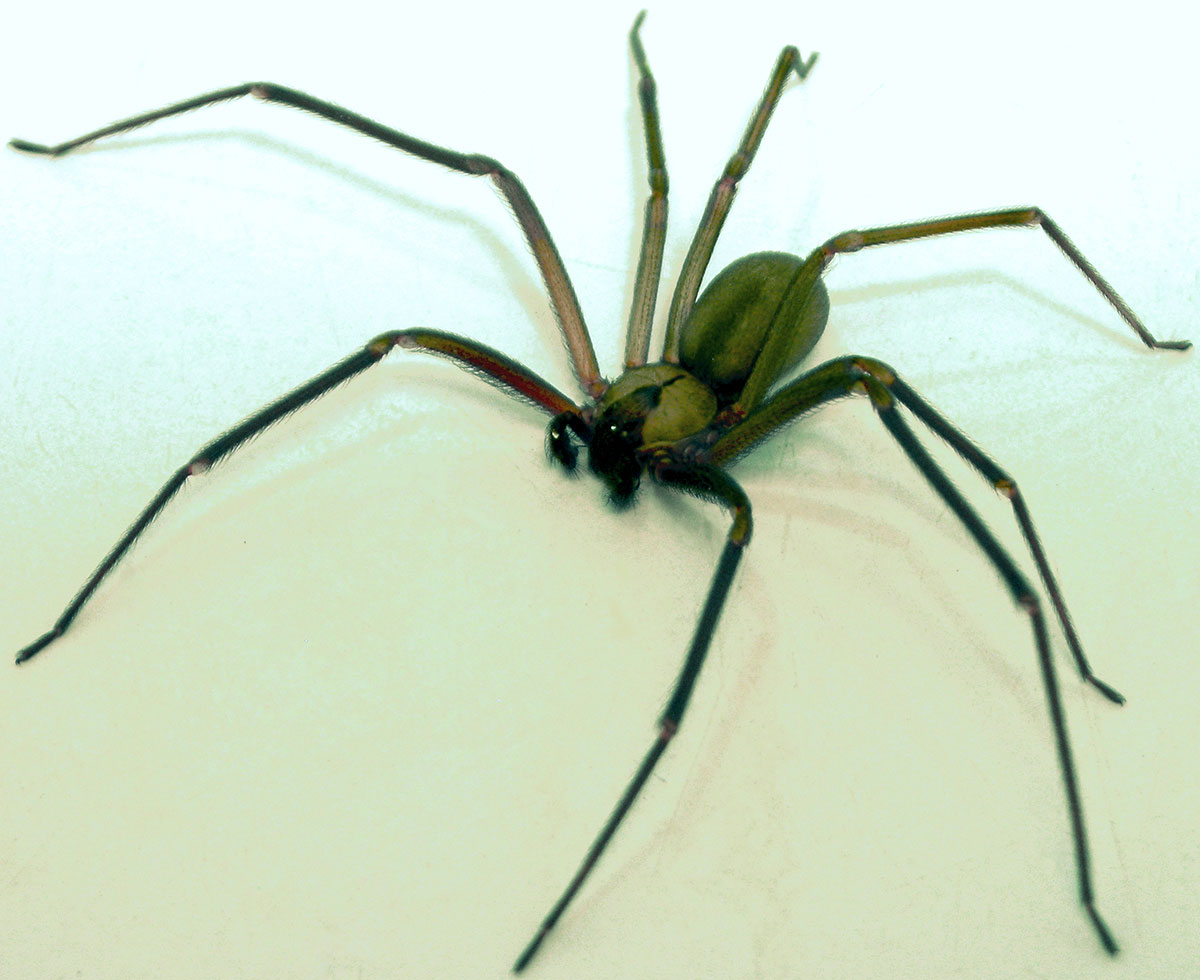
Also beware of the brown recluse spider. When it comes to insect bites, the bite of the brown recluse spider is one of the most feared. This yellowish-tan to dark brown spider is 1/4-1/2 inch long. It has a characteristic fiddle-shaped mark on its upper body. Its bite can have painful, disfiguring, and even deadly results. Within hours of a bite, victims may suffer severe pain and stiffness, fever, weakness, vomiting or a rash. The recluse’s venom destroys cells and clots blood, blocking blood vessels and leading to gangrene. Within 24 hours, the wound erupts into an open sore ranging from the size of a thumbnail to that of an adult’s hand. Anyone bitten by either spider should seek medical help immediately.
Experts say, spiders typically don’t go looking for human prey. Spiders are generally shy and try to avoid contact with humans. Leave them to their dark, secluded spaces – under rocks, in debris piles, sheds, closets and attics, and there’s no worry. Invade their space, though, and risk a bite. Spiders will attack if trapped or if pressed against the skin.
Not all people react the same way to these spider bites. The variation may be due to the amount of venom injected or the person’s physiology or immune system. The first line of treatment, if you suspect a bite is to apply a cold compress. However, if you have a bite and experience other side effects, get medical treatment immediately.