
17 Apr Lead Safety – Working Safely With Lead
Lead Safety - Working Safely With Lead Lead is a toxic metal that can cause serious health problems when it enters the body. Construction workers may encounter lead when disturbing lead-containing...


Lead Safety - Working Safely With Lead Lead is a toxic metal that can cause serious health problems when it enters the body. Construction workers may encounter lead when disturbing lead-containing...

Metal Plating Safety Metal plating safety is essential because plating operations can expose workers to hazardous chemicals, corrosive liquids, toxic metals, hot solutions, electrical hazards, moving equipment, and harmful dusts and...

Establishing a Hazard Communication Program Hazardous chemicals are used in many workplaces and may present health hazards, physical hazards, or both. OSHA’s Hazard Communication Standard (29 CFR 1910.1200) requires employers with...
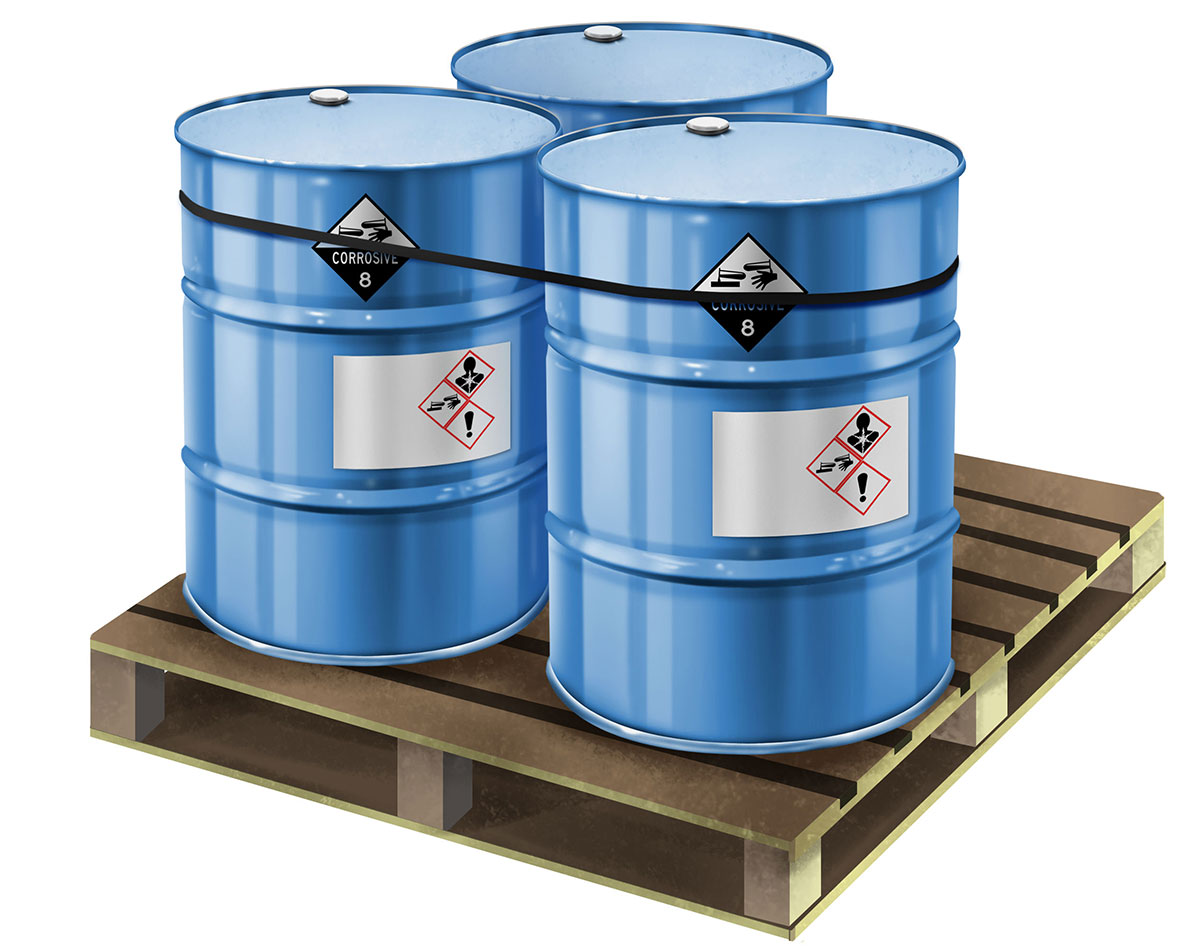
Chemical Safety Chemicals are used throughout construction and industrial workplaces and may be present as liquids, gases, vapors, mists, fumes, or dusts. Depending on the chemical and how it is used,...
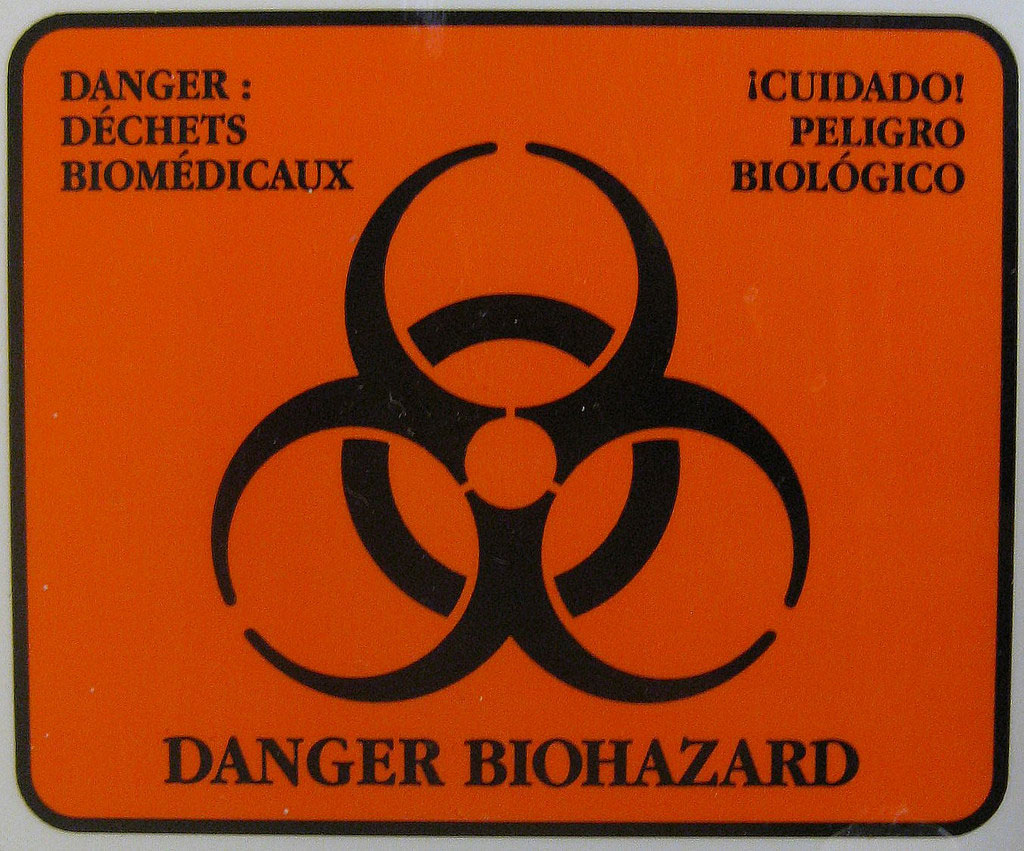
Chemical Inventory Lists An accurate chemical inventory is an important part of an effective Hazard Communication Program. Employers must identify hazardous chemicals present in the workplace and maintain information that allows...
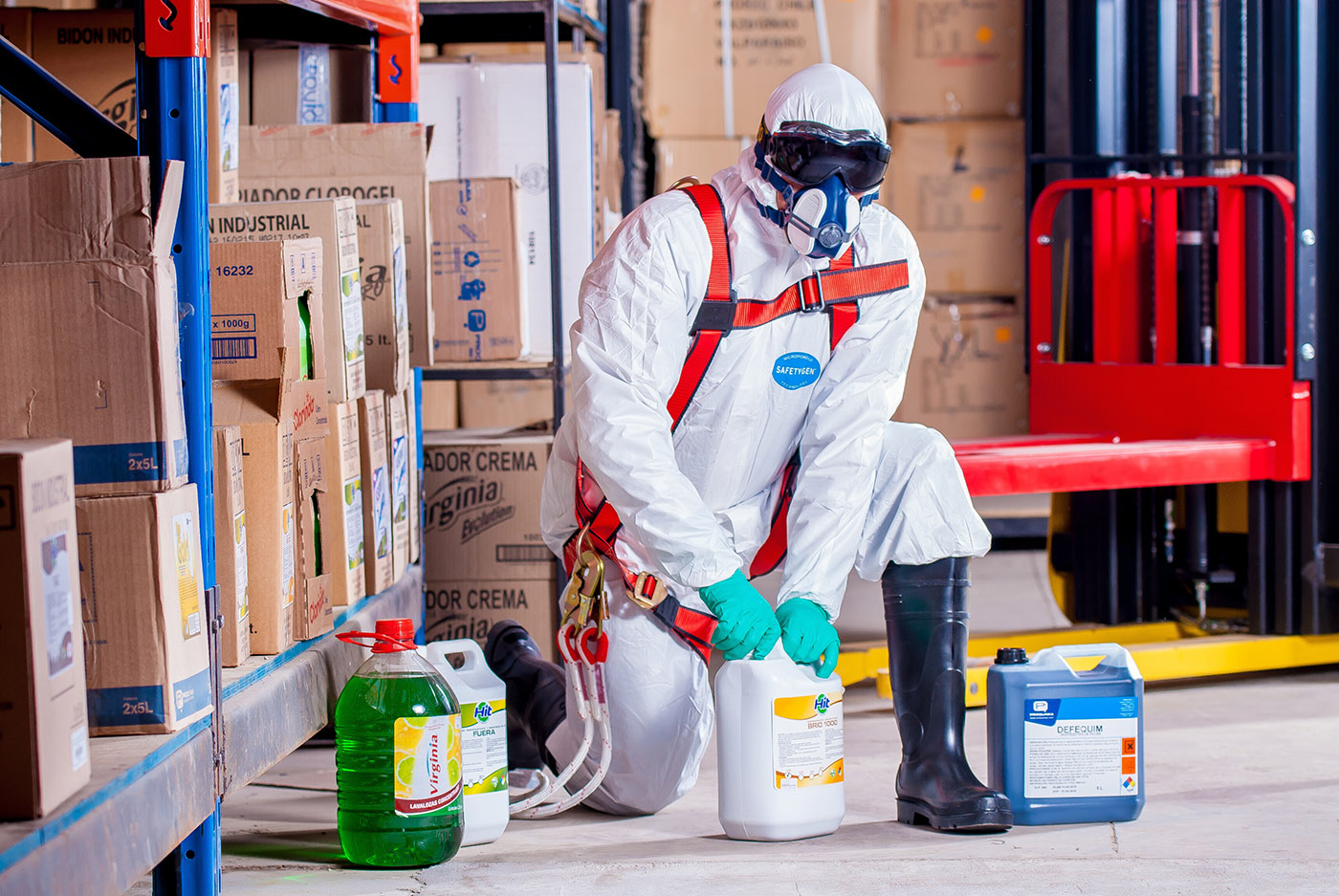
Chemical Storage Safety Chemicals are routinely used in many workplaces, but improper storage can result in fires, explosions, hazardous reactions, spills, and serious employee injuries. Chemicals must be stored according to...

GHS – Classification and Labeling of Chemicals OSHA’s Hazard Communication Standard (HCS), 29 CFR 1910.1200, requires employers to ensure employees receive understandable information about hazardous chemicals in the workplace. The standard...