


03 Mar Preventing Falls is Common Sense
Preventing Falls Is Common Sense
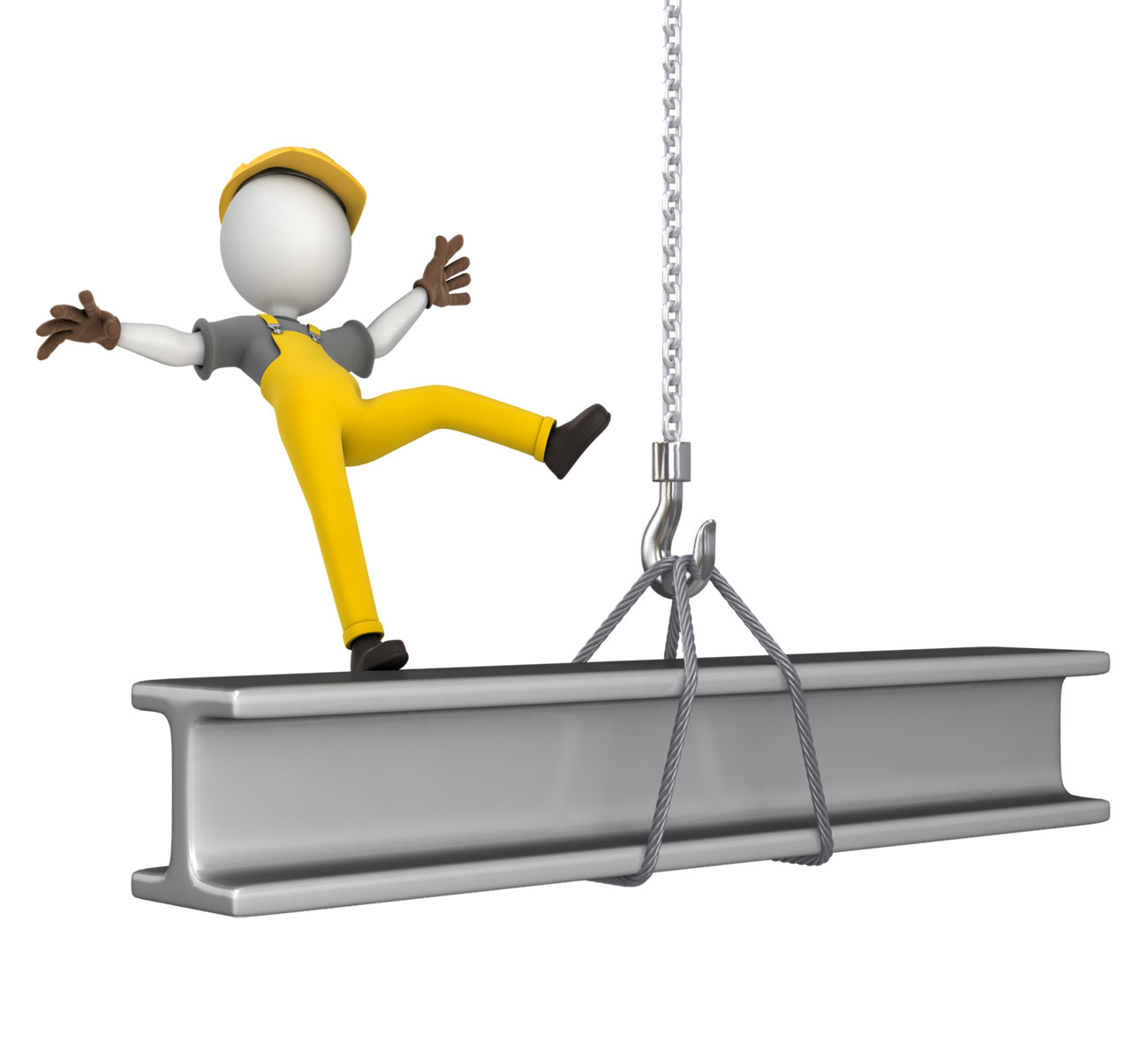
Falls remain one of the most common causes of workplace injuries. They can occur on the same level, such as a slip or trip on a floor or walking surface, or from one level to another, such as from a ladder, stairway, scaffold, roof, or elevated work area.
Most falls can be prevented by recognizing hazards, maintaining good housekeeping, using the proper equipment, and paying attention to where you are walking and working.
Common Causes of Falls
Falls often result from unsafe conditions or unsafe work practices, including:
- Slippery, wet, muddy, or icy walking surfaces.
- Poor housekeeping and accumulated debris.
- Cords, hoses, tools, or materials in walkways.
- Uneven floors, broken concrete, potholes, or damaged flooring.
- Poor lighting.
- Unprotected floor holes, openings, or elevated edges.
- Improper ladder selection or use.
- Running or hurrying.
- Overreaching from ladders or elevated surfaces.
- Carrying materials that obstruct your view.
- Failure to use required fall protection.
- Distractions or failure to watch where you are walking.
Maintain Good Footing
Good housekeeping is one of the simplest ways to prevent slips, trips, and falls.
- Keep aisles, stairs, walkways, and work areas clear.
- Clean up spills promptly.
- Remove or control cords, hoses, and other trip hazards.
- Watch for changes in elevation and uneven surfaces.
- Use extra caution on wet, oily, icy, or otherwise slippery surfaces.
- Maintain adequate lighting.
- Wear footwear appropriate for the work environment.
- Report damaged walking surfaces and other hazards promptly.
If a hazard cannot be immediately corrected, guard or clearly identify the area until it can be made safe.
Watch Where You Are Going
Many falls can be prevented simply by remaining aware of your surroundings.
- Walk—do not run.
- Look in the direction you are traveling.
- Do not use a phone or engage in other distracting activities while walking through hazardous work areas.
- Avoid carrying materials that block your view.
- Use handrails when traveling on stairs.
- Take one step at a time and maintain secure footing.
- Do not jump from equipment, platforms, loading docks, or elevated surfaces.
Take additional precautions when weather, lighting, congestion, or changing work conditions affect your walking surface.
Guard Openings and Elevated Areas
Floor holes, wall openings, stairways, and elevated edges can result in serious falls.
- Keep required covers and guardrails in place.
- Never remove a guardrail or floor-hole cover without authorization and appropriate alternative protection.
- Ensure covers are secured against accidental displacement and properly identified when required.
- Keep materials away from openings and elevated edges.
- Report missing or damaged fall-protection systems immediately.
- Use required personal fall protection when exposed to an unprotected fall hazard.
Never assume an opening is safe simply because it is small or temporary.
Ladder Safety
Using the wrong ladder—or using the right ladder incorrectly—can result in a serious fall.
- Select the correct type and length of ladder for the task.
- Inspect ladders before use.
- Remove damaged ladders from service.
- Set ladders on stable, level surfaces whenever possible.
- Face the ladder while climbing or descending.
- Maintain three points of contact while climbing.
- Keep your body between the ladder side rails.
- Never stand on prohibited steps or the top of a stepladder.
- Do not overreach; climb down and reposition the ladder.
- Do not carry materials while climbing if doing so prevents safe climbing.
Never use boxes, buckets, chairs, or other makeshift devices as substitutes for an appropriate ladder or work platform.
Use Required Fall Protection
When work exposes employees to a fall hazard requiring protection, use the fall-protection system specified for the task. Depending on the work, this may include:
- Guardrail systems.
- Personal fall arrest systems.
- Fall restraint systems.
- Safety net systems.
- Properly secured covers over holes and openings.
- Other approved systems appropriate for the work.
Inspect fall-protection equipment before use and never use damaged or defective equipment.
Remember
Preventing falls requires more than common sense—it requires recognizing hazards and consistently following safe work practices. Maintain good housekeeping, watch where you are going, use ladders correctly, protect openings and edges, and always use required fall protection.
A few extra seconds spent doing the job safely can prevent a life-changing fall.