


04 Jul Hot Work Procedures
Hot Work Procedures
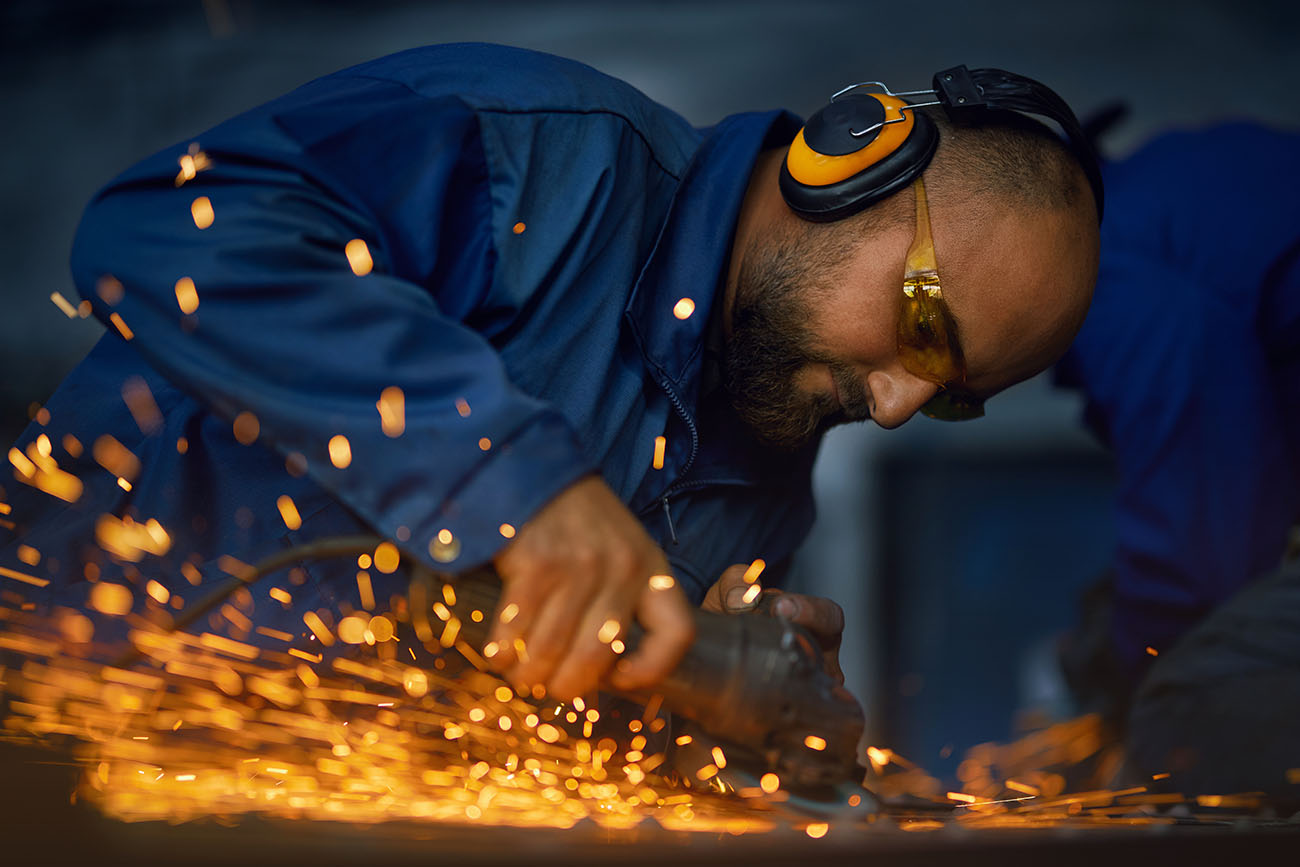
Hot work includes operations that produce flames, sparks, or sufficient heat to ignite combustible materials. Examples include welding, cutting, brazing, soldering, grinding, torch-applied heating, and other spark- or heat-producing activities. Because these operations can ignite materials some distance from the work, careful planning and fire-prevention measures are required.
Before Hot Work Begins
Whenever practical, hot work should be performed in a designated hot work area specifically arranged to control fire hazards. Designated areas should be kept free of unnecessary combustible materials, adequately ventilated, and protected from unauthorized entry.
When hot work must be performed outside a designated area, a hot work permit shall be completed before work begins. The work area shall be inspected to identify and control potential fire and explosion hazards.
Before beginning hot work:
- Inspect the work area, equipment, and surrounding surfaces.
- Remove combustible materials at least 35 feet from the work area whenever practical.
- When combustibles cannot be moved, protect them with approved fire-resistant blankets, curtains, guards, or shields.
- Cover or otherwise protect floor, wall, ceiling, duct, conveyor, and other openings through which sparks or hot material could travel.
- Inspect the opposite side of walls, floors, partitions, and other surfaces where heat could be transferred by conduction.
- Eliminate flammable vapor, gas, dust, or other potentially explosive atmospheres before work begins.
- Provide suitable barriers, warning signs, and welding screens to protect nearby employees and restrict unauthorized access.
- Ensure appropriate fire-extinguishing equipment is immediately available and ready for use.
- Verify that employees know emergency procedures, alarm methods, and evacuation routes.
Hot work shall not begin when fire hazards cannot be adequately controlled.
Hot Work Permit
A hot work permit documents that required fire-prevention precautions have been evaluated and implemented. The permit should identify the work being performed, location, authorized personnel, required precautions, fire-watch requirements, and the person authorizing the work.
A hot work permit does not replace other required permits or procedures. For example, hot work performed in a permit-required confined space must also comply with applicable confined-space entry requirements.
Fire Protection Systems
Hot work shall not normally be performed where required sprinkler or other fire-protection systems are impaired or out of service.
Automatic sprinkler protection should remain operational whenever possible. Individual sprinkler heads that could be accidentally activated by heat from the work may be temporarily protected with approved noncombustible shielding. Any shielding shall be removed immediately after the hot work is completed.
Fire Watch
A trained fire watch shall be assigned whenever conditions create an increased potential for fire, including when:
- Combustible materials are within 35 feet of the work.
- Combustible materials more than 35 feet away could be ignited by sparks.
- Wall or floor openings could allow sparks or hot material to reach combustible materials in adjacent areas.
- Combustible materials are located on the opposite side of metal partitions, walls, ceilings, or roofs and could ignite through heat conduction or radiation.
Additional fire-watch personnel shall be assigned when one person cannot safely observe all areas exposed to the hazard.
The fire watch shall:
- Maintain continuous observation for fire or unsafe conditions.
- Have suitable fire-extinguishing equipment immediately available.
- Know how to sound the alarm and initiate emergency response procedures.
- Stop hot work when hazardous conditions develop.
- Attempt to extinguish an incipient-stage fire only when it can be done safely and within the employee’s training and capabilities.
- Perform no additional duties that interfere with monitoring the hot work area.
The fire watch shall remain in place for at least 30 minutes after hot work is completed and longer when conditions indicate that a fire could develop after that period.
Personal Protective Equipment
Employees performing hot work shall use PPE appropriate for the operation and hazards involved. Depending on the task, this may include:
- Properly shaded welding helmets, goggles, or other approved eye protection.
- Safety glasses with side shields beneath welding helmets or face shields when required.
- Face shields for applicable grinding and cutting operations.
- Flame-resistant clothing appropriate for the hot-work hazard.
- Welding gloves and other heat-resistant hand protection.
- Protective sleeves, jackets, aprons, leggings, or similar protection when needed.
- Hearing protection where noise exposure requires it.
- Respiratory protection when required by the hazard assessment and the company’s Respiratory Protection Program.
Clothing shall be arranged to prevent sparks, slag, or molten metal from becoming trapped in cuffs, pockets, or other openings.
Ventilation and Atmospheric Hazards
Adequate ventilation shall be provided to control welding fumes, gases, smoke, and other airborne contaminants. Local exhaust ventilation should be used when practical.
Hot work shall not be performed in an atmosphere containing hazardous concentrations of flammable gases, vapors, or combustible dust.
Never use oxygen for ventilation, cooling employees, blowing dust from clothing, or cleaning the work area.
Cylinders and Equipment
Welding and cutting equipment shall be inspected before use. Damaged hoses, regulators, torches, leads, electrode holders, grounding connections, or other defective equipment shall be removed from service.
Compressed-gas cylinders shall be secured, protected from damage, and kept away from excessive heat and ignition hazards. Oxygen cylinders and equipment shall be kept free from oil and grease.
After Hot Work
When the work is complete:
- Shut down and secure hot-work equipment.
- Remove electrodes and close cylinder valves as applicable.
- Inspect the work area and surrounding areas for sparks, smoldering material, or signs of fire.
- Check adjoining areas and the opposite sides of walls, floors, ceilings, or partitions where heat may have transferred.
- Maintain the required fire watch.
- Remove temporary sprinkler protection.
- Close out the hot work permit according to company procedures.
Remember
Hot work can ignite materials that are hidden, nearby, or on the opposite side of a surface. Before striking an arc, lighting a torch, or creating sparks, inspect the area, control combustibles, obtain the required permit, and establish fire protection.