


09 Apr Hand Protection
Hand Protection
Your hands are essential to nearly every task you perform. Because they are frequently close to tools, equipment, materials, and moving objects, they are also highly vulnerable to injury. Cuts, punctures, burns, crushing injuries, and amputations can happen quickly and may result in permanent damage.
Protecting your hands starts with recognizing the hazard, using the proper tools and work practices, and selecting the correct hand protection for the task.
Common Causes of Hand Injuries
Hand and finger injuries frequently result from:
- Inattention or taking unnecessary shortcuts.
- Sharp edges, blades, burrs, splinters, and protruding objects.
- Handling rough or abrasive materials.
- Hands or fingers caught between stacked or moving materials.
- Pinch and crush points.
- Improper use of hand and power tools.
- Contact with hot surfaces or materials.
- Exposure to chemicals.
- Contact with energized electrical components.
- Reaching into moving or improperly guarded machinery.
- Unexpected movement or startup of equipment.
Protect Your Hands
Before beginning a task, consider where your hands will be and what could cut, pinch, crush, burn, puncture, or otherwise injure them.
Follow these safe work practices:
- Use the proper tool for the job and inspect it before use.
- Keep hands and fingers away from pinch points and other line-of-fire hazards.
- Never place your hands between materials that could shift, roll, fall, or close together.
- Use handles, push sticks, tongs, clamps, or other appropriate tools instead of placing your hands in hazardous areas.
- Keep machine guards and other protective devices properly installed and operational.
- Never reach through, around, or underneath a machine guard.
- Follow lockout/tagout procedures before servicing, cleaning, adjusting, or clearing equipment when unexpected startup or stored energy could cause injury.
- Remove rings, watches, bracelets, and other jewelry when they could become caught in machinery or create an electrical hazard.
- Maintain good housekeeping and remove sharp debris, protruding nails, and other hand hazards.
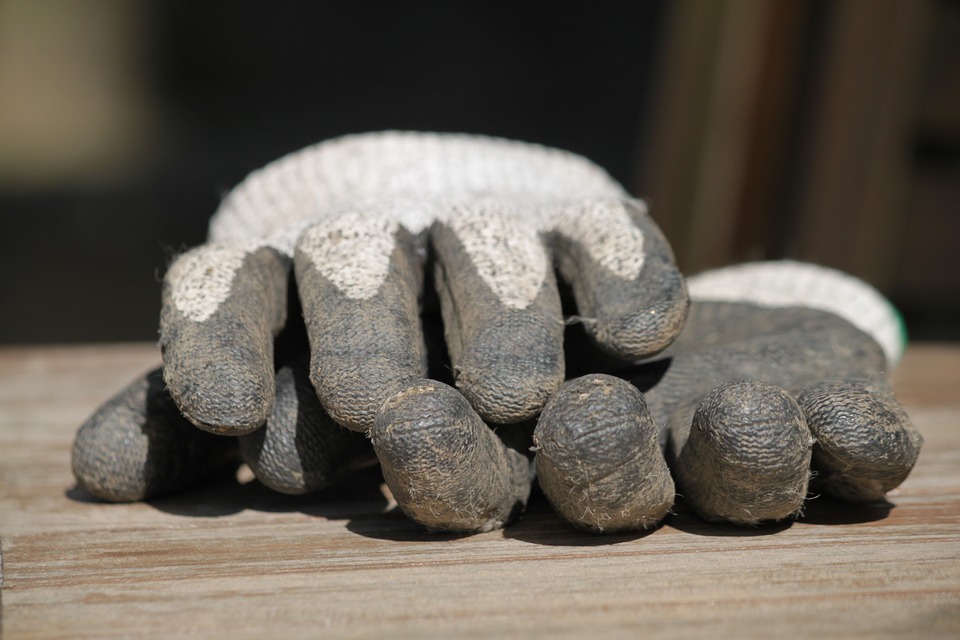
Wear the Right Gloves
Gloves should be selected according to the hazard and task. Depending on the work, protection may be required against:
- Cuts and punctures.
- Abrasions and rough materials.
- Chemicals.
- Heat or cold.
- Electrical hazards.
- Other task-specific exposures.
Inspect gloves before use and replace them when damaged, excessively worn, or contaminated.
Gloves are not appropriate for every task. Wearing gloves around rotating machinery can create an entanglement hazard if the glove becomes caught and pulls the hand into the equipment. Follow the equipment manufacturer’s instructions and established safe work procedures.
If an Injury Occurs
Report hand injuries promptly and obtain appropriate first aid or medical attention. Even a small cut or puncture can become more serious if it is contaminated or improperly treated.
Never continue working when an injury interferes with your ability to safely grip, operate, or control tools and equipment.
Remember
Your hands are among your most valuable tools, and they cannot simply be replaced. Keep them out of pinch points and the line of fire, use the right tool for the job, and wear the correct hand protection for the hazard.