


22 Sep Ground Fault Circuit Interrupters
Ground-Fault Circuit Interrupters
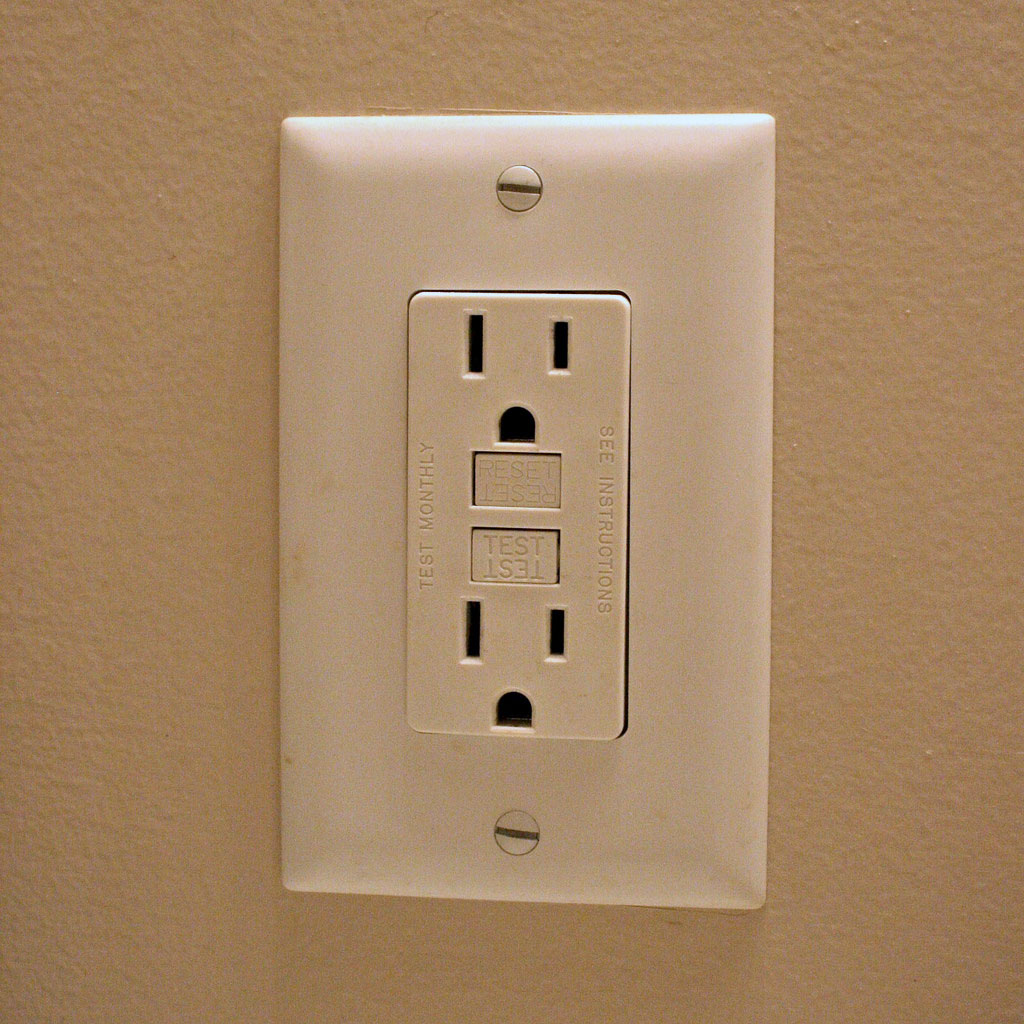
Ground-Fault Circuit Interrupters (GFCIs) are electrical safety devices designed to protect workers from serious or fatal electric shock caused by ground faults. They detect small differences in electrical current and quickly interrupt power when current begins flowing along an unintended path, such as through a person to ground.
GFCI protection is especially important on construction sites, where temporary wiring, extension cords, portable power tools, wet conditions, and damaged electrical equipment can increase the risk of electrical shock.
How Ground Faults Occur
Under normal conditions, electrical current travels through the energized or “hot” conductor and returns through the neutral conductor, completing the circuit. A ground fault occurs when some of that current leaves its intended path and flows to ground.
A person can become part of that path when contacting energized equipment or conductors while also in contact with the ground or another conductive surface. Wet hands, standing water, damp surfaces, damaged insulation, and defective electrical equipment can substantially increase the risk.
A GFCI continuously compares the current flowing through the hot and neutral conductors. If it detects an imbalance of approximately 5 milliamperes (mA), it quickly interrupts the circuit.
A GFCI provides important protection against ground-fault shock; however, it does not protect against every electrical hazard. For example, it may not protect a worker who simultaneously contacts two energized conductors or an energized conductor and neutral. It also does not protect a worker from direct contact with an overhead power line.
Types of GFCI Protection
Several types of GFCI devices may be used depending on the application:
- Circuit-Breaker GFCIs: Installed in an electrical panel and provide GFCI protection for the branch circuit.
- Receptacle GFCIs: Installed in place of standard receptacles and may protect the receptacle and properly connected downstream receptacles.
- Portable GFCIs: Designed for temporary applications and commonly incorporated into portable receptacle assemblies, cord sets, and other temporary power equipment.
Only approved devices suitable for the intended environment and application shall be used.
Construction-Site Requirements
OSHA requires approved GFCI protection for 120-volt, single-phase, 15- and 20-ampere receptacle outlets on construction sites that are not part of the permanent wiring of the building or structure and that are in use by employees.
An Assured Equipment Grounding Conductor Program (AEGCP) meeting OSHA requirements may be used as an alternative in situations permitted by the standard. An AEGCP requires a written program, designated competent persons, inspections, testing, and appropriate documentation.
Employees shall follow the electrical protection system established for the project and shall never bypass or defeat a GFCI or other electrical protective device.
Inspection and Testing
Electrical cords, plugs, receptacles, tools, and portable GFCI devices should be visually inspected before use. Look for:
- Missing, loose, bent, or damaged plug blades or grounding pins.
- Cuts, cracks, abrasions, or other damage to insulation.
- Exposed conductors.
- Damaged receptacles, connectors, or enclosures.
- Evidence of overheating, burning, or internal damage.
- Loose or improperly made connections.
Damaged or defective electrical equipment shall be removed from service immediately until repaired or replaced.
GFCIs should be tested using their TEST and RESET functions in accordance with the manufacturer’s instructions and company procedures. Portable GFCIs used under demanding construction conditions should receive particular attention because they can be subjected to moisture, impact, crushing, and other physical damage.
Additional inspection is necessary whenever equipment has been damaged, repaired, or subjected to an event that could reasonably have affected its safe condition, such as a cord being run over by equipment.
Safe Work Practices
Workers should:
- Use GFCI protection wherever required.
- Inspect electrical tools, cords, and GFCIs before use.
- Keep electrical connections away from standing water and wet locations whenever possible.
- Never use damaged extension cords or electrical equipment.
- Never remove grounding pins from plugs.
- Never bypass, modify, or defeat a GFCI.
- Disconnect defective equipment and report it to the supervisor.
- Follow manufacturer instructions when testing GFCIs.
- Use only electrical equipment approved and suitable for the environment in which it will be used.
Remember
A GFCI can interrupt a dangerous ground fault in a fraction of a second, but it cannot eliminate every electrical hazard. Inspect your equipment, use required GFCI protection, keep electricity away from water, and never bypass a protective device.