


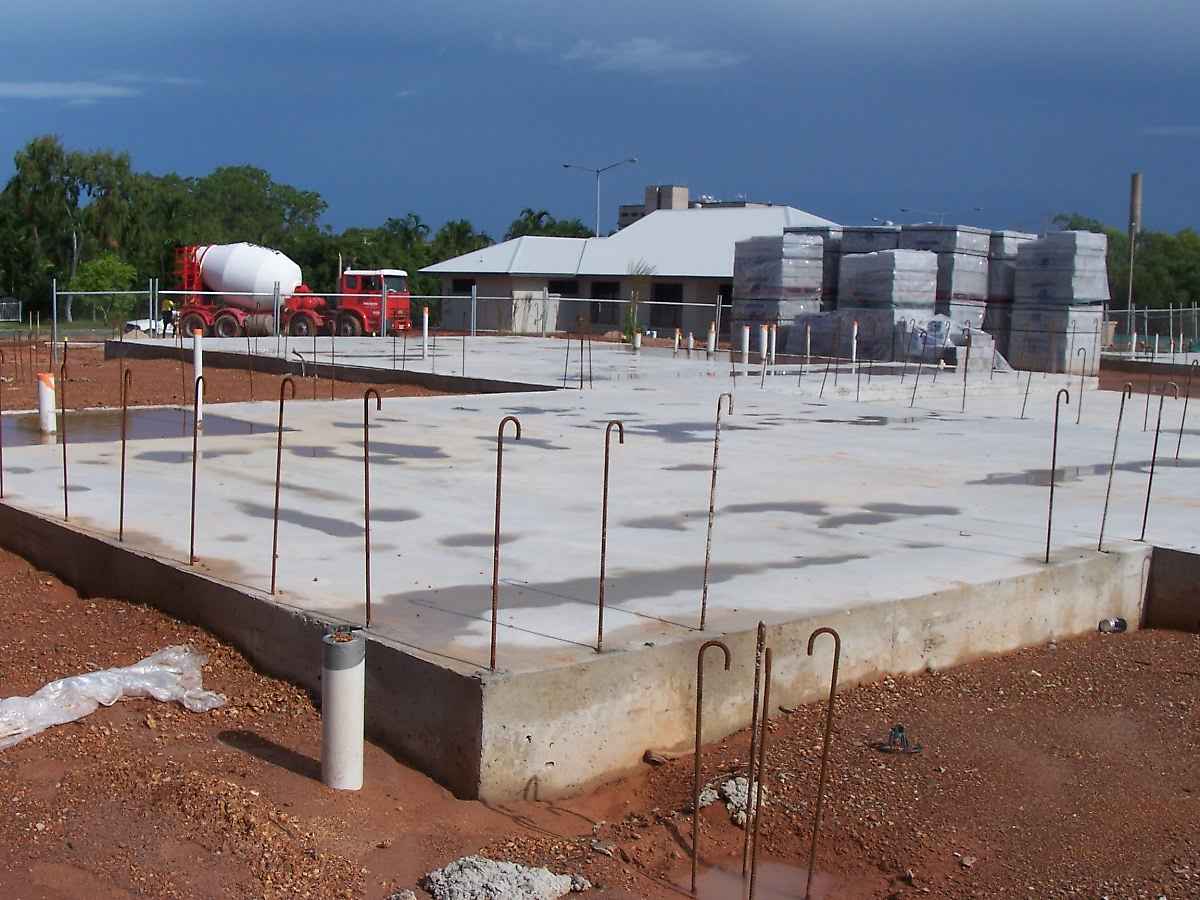
18 May Foundation Construction
Foundation Construction
Foundation construction can expose employees to serious hazards involving excavations, underground utilities, reinforcing steel, concrete, silica dust, power tools, heavy equipment, material handling, and falls. Proper planning, training, inspections, and use of appropriate protective equipment are necessary before foundation work begins.
Personal Protective Equipment
Wear PPE appropriate for the hazards and tasks being performed. Depending on the work, this may include:
- Hard hat.
- Safety glasses with side shields; goggles or face shields when additional protection is required.
- Safety-toe, puncture-resistant work boots.
- High-visibility clothing when exposed to vehicles or mobile equipment.
- Work gloves appropriate for handling materials and reinforcing steel.
- Waterproof, chemical-resistant gloves and protective clothing when working with wet concrete or mortar.
- Hearing protection when noise exposures require it.
- Respiratory protection when required by the exposure assessment and applicable respiratory-protection program.
- Fall protection when employees are exposed to qualifying fall hazards.
Inspect PPE before use and replace damaged or defective equipment.
Excavation and Trenching
Foundation construction frequently requires employees to work in or around excavations. Before excavation begins:
- Contact 811 or the applicable state one-call utility notification system before digging.
- Locate and identify underground utilities and installations that could be encountered.
- Evaluate nearby structures, equipment, traffic, spoil piles, water accumulation, and other conditions that could affect excavation stability.
- Have a competent person evaluate soil and excavation conditions and select appropriate protective systems.
- Provide sloping, benching, shoring, shielding, or another OSHA-compliant protective system for employees in excavations 5 feet or more in depth, unless the excavation is made entirely in stable rock.
- Provide protection in excavations less than 5 feet deep when examination by a competent person indicates a potential cave-in hazard.
- Keep excavated material, equipment, and other materials at least 2 feet from the excavation edge, or use another effective means of preventing material from falling or rolling into the excavation.
- Provide ladders, stairs, ramps, or other safe means of egress in trench excavations 4 feet or more in depth so employees do not have to travel more than 25 feet laterally to reach an exit.
- Test the atmosphere when hazardous conditions exist or could reasonably be expected in excavations greater than 4 feet deep.
- Protect employees from water accumulation and changing soil conditions.
A competent person must inspect excavations daily before work, as needed throughout the shift, and after rainstorms or other events that could increase hazards.
Employees must leave the excavation immediately when evidence of a hazardous condition is identified.
Heavy Equipment and Mobile Equipment
Excavators, backhoes, concrete trucks, forklifts, loaders, and other mobile equipment may operate near foundation work.
Employees must:
- Stay clear of equipment swing radiuses and blind spots.
- Establish eye contact or positive communication with equipment operators before approaching.
- Never position themselves between operating equipment and a fixed object.
- Stay clear of suspended loads.
- Use spotters when required by site conditions.
- Wear high-visibility garments when exposed to vehicular traffic.
- Maintain adequate clearance between equipment and excavation edges.
Where mobile equipment approaches an excavation and the operator does not have a clear view of the edge, use barricades, stop logs, signals, or another effective warning system.
Reinforcing Steel and Impalement Hazards
Exposed reinforcing steel can create serious impalement hazards.
- Guard exposed reinforcing steel onto or into which an employee could fall.
- Use approved protective covers, troughs, or other methods capable of protecting employees from impalement.
- Do not assume that ordinary plastic rebar caps provide adequate impalement protection.
- Protect employees from protruding reinforcing steel in walking and working areas.
- Secure reinforcing steel to prevent unexpected movement or collapse.
- Wear appropriate gloves when handling rebar and tie wire.
Fall hazards should be controlled so employees cannot fall onto exposed reinforcing steel in the first place.
Concrete and Mortar
Wet concrete, cement, and mortar can cause skin irritation and serious chemical burns. Employees should avoid direct skin contact.
When working with these materials:
- Wear waterproof gloves and appropriate protective clothing.
- Wear waterproof boots high enough to prevent wet concrete from entering.
- Prevent wet concrete from becoming trapped inside gloves, boots, or clothing.
- Wash contaminated skin promptly with clean water.
- Remove contaminated clothing promptly.
- Provide suitable washing facilities.
- Protect the eyes and face against splashes.
Do not kneel directly in wet concrete, even when wearing work pants.
Silica Dust
Cutting, drilling, grinding, chipping, or otherwise disturbing concrete, masonry, block, or similar materials can generate respirable crystalline silica.
Use required exposure controls, which may include:
- Wet cutting or drilling methods.
- Tools equipped with commercially available shrouds and dust-collection systems.
- HEPA-filtered vacuums.
- Restricted access to dusty operations.
- Respiratory protection when required.
Do not dry sweep or use compressed air to clean silica-containing dust when those methods could increase employee exposure and safer alternatives are feasible.
Power and Hand Tools
Inspect tools before each use and remove damaged equipment from service.
Employees must:
- Use the correct tool for the task.
- Keep guards and safety devices installed and operational.
- Keep hands and body parts away from blades, bits, and other moving components.
- Disconnect or otherwise isolate energy before changing blades, bits, or attachments when required.
- Use GFCI protection where required.
- Inspect electrical cords and plugs for damage.
- Maintain stable footing and control of the tool.
- Wear appropriate eye, face, hearing, and respiratory protection.
- Follow manufacturer operating instructions.
Fall and Opening Hazards
Foundation construction may create open excavations, foundation walls, pits, shafts, and other changes in elevation.
- Guard or barricade excavation edges where employees could inadvertently enter.
- Protect floor holes and openings with compliant covers or guardrail systems.
- Secure covers against accidental displacement and clearly identify them when required.
- Provide appropriate fall protection whenever employees are exposed to a fall hazard requiring protection.
- Maintain safe access routes around foundation walls, forms, reinforcing steel, and excavations.
Housekeeping and Access
Maintain foundation work areas so employees can move safely.
- Keep access and egress routes clear.
- Remove scrap lumber, tie wire, protruding nails, and unnecessary materials.
- Route hoses, cords, and leads to minimize trip hazards.
- Maintain adequate lighting.
- Clean spills promptly.
- Stack materials so they cannot slide, collapse, or fall.
- Keep materials and equipment away from excavation edges.
Remember
Foundation work combines several serious construction hazards in one location. Locate utilities before digging, protect excavations from cave-ins, guard exposed rebar, control silica dust, prevent contact with wet concrete, and stay clear of moving equipment and suspended loads.
Never enter an excavation or begin foundation work when required protective measures are missing or unsafe conditions have not been corrected.