


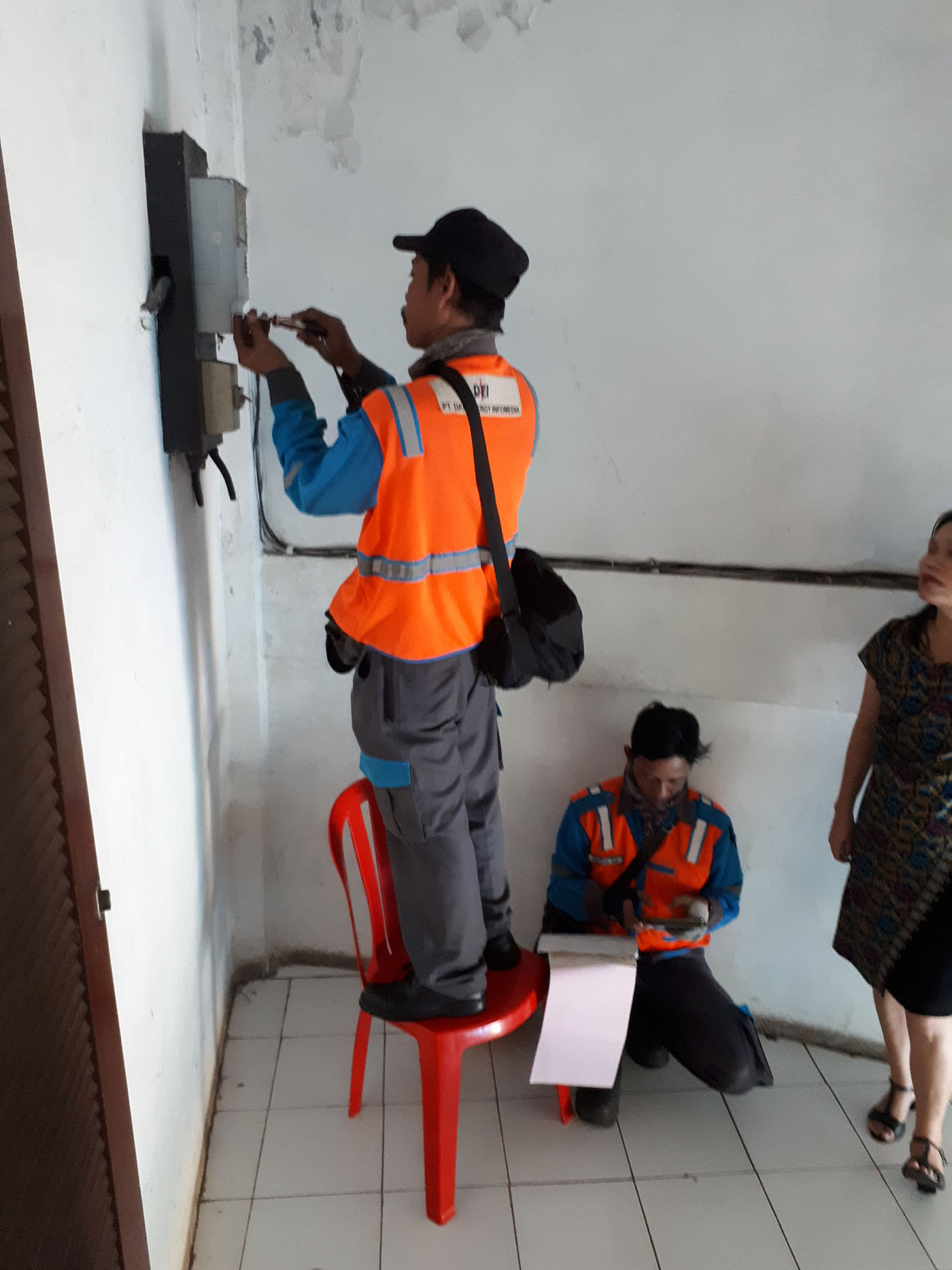
07 Jul Electricity and Breaker Panels
Electricity and Breaker Panels
Electrical breaker panels are a critical part of a building’s electrical system. They distribute electrical power to individual circuits and contain circuit breakers designed to protect wiring and equipment from excessive current. Because breaker panels contain energized components, improper access, damaged equipment, or unsafe work practices can result in electrical shock, burns, arc flash, fire, or electrocution.
Electricity flows through conductors, such as copper and other metals. Electrical wiring is covered with insulating materials, such as plastic or rubber, to prevent accidental contact with energized conductors. Insulation, grounding, overcurrent protection, and other safeguards work together to reduce electrical hazards.
Breaker Panel Safety
- Keep panels accessible. Electrical panels must remain readily accessible. Do not use the required working space in front of electrical equipment for storage. For many common installations, a minimum depth of 3 feet (36 inches) is required, although greater clearance may be required depending on voltage and surrounding conditions.
- Keep panel covers and doors in place. Breaker panels must have approved covers, doors, and dead-front assemblies installed to prevent accidental contact with energized components.
- Keep panel directories accurate. Each circuit should be legibly identified as to its clear, evident, and specific purpose or use. Update the directory whenever circuits are added or modified.
- Never leave openings in a panel. Unused openings must be effectively closed with approved fillers or other devices that provide protection substantially equivalent to the panel enclosure.
- Never defeat a circuit breaker. Do not tape, block, wedge, or otherwise secure a breaker in the ON position. A breaker must be able to operate as designed when an overcurrent condition occurs.
- Do not repeatedly reset a tripped breaker. A tripped breaker may indicate an overload, short circuit, ground fault, or equipment problem. Determine and correct the cause before returning the circuit to service. Employees who are not qualified to troubleshoot electrical systems should report the condition.
- Never use tape as lockout/tagout. Placing tape over a breaker in the OFF position does not constitute an acceptable energy-control procedure.
- Follow lockout/tagout procedures. When a circuit must be de-energized for servicing or maintenance, use the company’s established energy-control procedures. Apply appropriate locks and tags and verify that the circuit has been de-energized before work begins.
- Restrict electrical work to qualified employees. Employees should not remove panel covers, expose energized components, modify wiring, or perform electrical repairs unless they are qualified and authorized to perform the work.
- Report signs of electrical problems. Buzzing, unusual heat, burning odors, discoloration, damaged breakers, corrosion, water intrusion, or repeated breaker trips should be reported immediately.
- Keep panels dry and protected. Water, excessive moisture, combustible materials, and other conditions that could damage electrical equipment or increase electrical hazards should be controlled.
Remember
Circuit breakers are protective devices. Never bypass, block, tape, or otherwise interfere with their operation. Keep electrical panels closed, properly identified, accessible, and free of obstructions. Only qualified and authorized personnel should perform electrical work inside a panel.