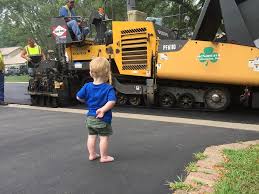
30 May Children And Construction
Children and Construction
Construction sites can be especially attractive to children because equipment, excavations, scaffolds, materials, and partially completed structures may appear to be places to explore or play. Children may not recognize construction hazards or understand warning signs as readily as trained workers. For this reason, preventing unauthorized access is an important part of jobsite safety and security.
Why Children Are at Risk
Children who enter a construction site may be exposed to serious or fatal hazards, including:
- Open excavations, trenches, pits, and holes;
- Scaffolds, ladders, roofs, and other elevated surfaces;
- Heavy equipment and construction vehicles;
- Stored materials that may shift, roll, fall, or collapse;
- Power tools, machinery, and energized equipment;
- Temporary electrical systems and exposed electrical hazards;
- Sharp objects, nails, reinforcing steel, and construction debris;
- Hazardous chemicals, fuels, and compressed-gas cylinders;
- Unstable structures or partially completed construction; and
- Water-filled excavations or other drowning hazards.
Never assume that children will recognize these hazards or stay away simply because equipment is shut down or the site is closed.
Prevent Unauthorized Access
Construction sites should be secured to discourage children and other unauthorized persons from entering.
Where appropriate:
- Install and maintain perimeter fencing, gates, barricades, or other suitable access controls.
- Keep gates and designated access points secured when the site is unattended.
- Post appropriate “No Trespassing,” “Danger,” or other warning signs at entrances and hazardous areas.
- Restrict visitors to authorized areas and require appropriate supervision.
- Repair damaged fencing, gates, barricades, or signs promptly.
- Maintain adequate lighting or other security measures where necessary.
- Consider additional security measures for sites with recurring trespassing or vandalism.
Employees should immediately report evidence of unauthorized entry, damaged security controls, or children observed on or near the construction site.
Secure Excavations and Fall Hazards
Excavations can be particularly attractive to children, who may view them as forts, play areas, or—in the case of accumulated water—swimming areas.
Open excavations, pits, shafts, and similar hazards should be protected in accordance with applicable requirements and site conditions. Appropriate controls may include:
- Barricades or guardrail systems;
- Fencing or other physical barriers;
- Warning signs;
- Covers over applicable openings;
- Adequate nighttime visibility or lighting; and
- Restricted access to excavation areas.
Do not rely solely on warning signs when a physical barrier is necessary to protect against the hazard.
Secure Equipment and Machinery
Construction equipment can attract children even when it is not operating. Simply turning off equipment does not necessarily eliminate the hazard.
At the end of the work shift or whenever equipment is left unattended:
- Lower buckets, blades, forks, and attachments to the ground or place them in a safe position.
- Shut down equipment according to the manufacturer’s procedures.
- Remove ignition keys or otherwise prevent unauthorized operation.
- Secure equipment controls where appropriate.
- Lock cabs, compartments, and access points when feasible.
- Secure portable tools and equipment.
- Do not leave equipment where children can easily climb onto it.
- Park equipment in designated secure areas whenever possible.
Secure Materials and Hazardous Substances
Construction materials should be stored so they do not create climbing, collapse, struck-by, or caught-between hazards.
Secure lumber, pipe, masonry products, pallets, and other materials against unintended movement. Hazardous chemicals, fuels, compressed-gas cylinders, power tools, and similar materials or equipment should be properly stored and secured against unauthorized access.
Remove or control scrap materials, protruding nails, sharp objects, and other hazards before leaving the site unattended.
Scaffolds and Ladders
Scaffolds, ladders, and partially completed structures can resemble climbing equipment to children.
Where feasible:
- Control access to scaffolds when the site is unattended.
- Secure or remove portable ladders that could provide access to elevated areas.
- Prevent unauthorized access to stair towers and other climbing routes.
- Maintain required fall-protection systems and barricades.
- Never leave easily accessible climbing equipment in a condition that encourages unauthorized use.
If Children Enter the Site
If a child or other unauthorized person is discovered on the construction site:
- Stop affected work or equipment operation when necessary to prevent injury.
- Keep the individual away from immediate hazards.
- Notify the supervisor or designated site representative.
- Follow established site-security procedures for safely removing unauthorized persons.
- Contact law enforcement or emergency services when circumstances warrant.
- Do not chase an individual through hazardous areas where doing so could create additional danger.
After an unauthorized-entry incident, determine how access occurred and correct deficiencies in fencing, gates, barricades, security, or other controls.
Remember
A construction site is not a playground. Children may be attracted to the very features that present the greatest hazards. Secure the site, control access, protect excavations and elevated areas, secure equipment and materials, and correct security deficiencies promptly.
Every employee should help identify conditions that could allow a child or other unauthorized person to enter the site and report them immediately.