


12 Jan Ammonia Safety
Ammonia Safety
Ammonia is widely used in cleaning products, refrigeration systems, manufacturing, agriculture, fertilizers, and other industrial processes. It may also be produced naturally when materials such as manure or compost decompose. Although ammonia is common, exposure can cause serious injuries to the eyes, skin, and respiratory system.
Ammonia may be encountered as a solution in water, sometimes called ammonium hydroxide, or as anhydrous ammonia, which is ammonia without water. The hazards and required precautions vary considerably depending on the concentration, quantity, and way the chemical is being used.
Understand the Hazards
Ammonia is corrosive and can cause severe irritation or burns. Exposure to ammonia vapor or gas may cause:
- Burning or irritation of the eyes, nose, and throat.
- Coughing, wheezing, or difficulty breathing.
- Skin irritation or chemical burns.
- Serious eye injury and possible vision damage.
- Severe respiratory injury at high concentrations.
Ammonia has a strong, irritating odor, but odor should never be relied upon as the only warning of unsafe exposure.
Handle and Store Ammonia Safely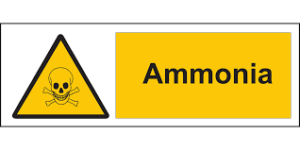
Before working with ammonia, review the Safety Data Sheet (SDS) and understand the concentration, hazards, required PPE, and emergency procedures.
When handling ammonia:
- Use it only where adequate ventilation is provided.
- Keep containers properly labeled and closed when not in use.
- Store ammonia in a cool, appropriately ventilated area away from incompatible chemicals.
- Inspect containers, hoses, valves, piping, and other equipment for leaks or damage.
- Wash your hands after handling ammonia and before eating, drinking, or smoking.
- Keep food and beverages away from chemical-use and storage areas.
Never mix ammonia with chlorine bleach. The combination can release dangerous chloramine gases that can cause severe respiratory irritation and injury. Ammonia should also be kept away from other incompatible materials identified on the SDS.
Wear the Right PPE
PPE should be selected according to the concentration and potential exposure. Depending on the task, protection may include:
- Chemical-resistant gloves.
- Chemical splash goggles.
- A face shield worn with appropriate eye protection.
- Chemical-resistant clothing, aprons, or footwear.
- Respiratory protection when required.
Respirators should only be used as part of an appropriate respiratory-protection program. Do not enter an area with an unknown or potentially dangerous ammonia concentration unless you are specifically trained, equipped, and authorized for that type of response.
If Exposure Occurs
For eye or skin contact, immediately begin flushing the affected area with plenty of water and continue for at least 15 minutes or as directed by the SDS. Remove contaminated clothing while flushing when it can be done safely.
If ammonia is inhaled, move to fresh air only when this can be done without exposing another person to the release. Obtain emergency medical assistance for breathing difficulty, significant exposure, chemical burns, or other serious symptoms.
Never enter an ammonia-contaminated area to perform a rescue without the proper training and protective equipment.
Remember
Ammonia can cause serious injury even though it is commonly used. Know the concentration, review the SDS, provide adequate ventilation, wear appropriate PPE, keep ammonia away from incompatible chemicals, and know the emergency procedures before beginning work.