


27 Mar Dangers Overhead
Dangers Overhead
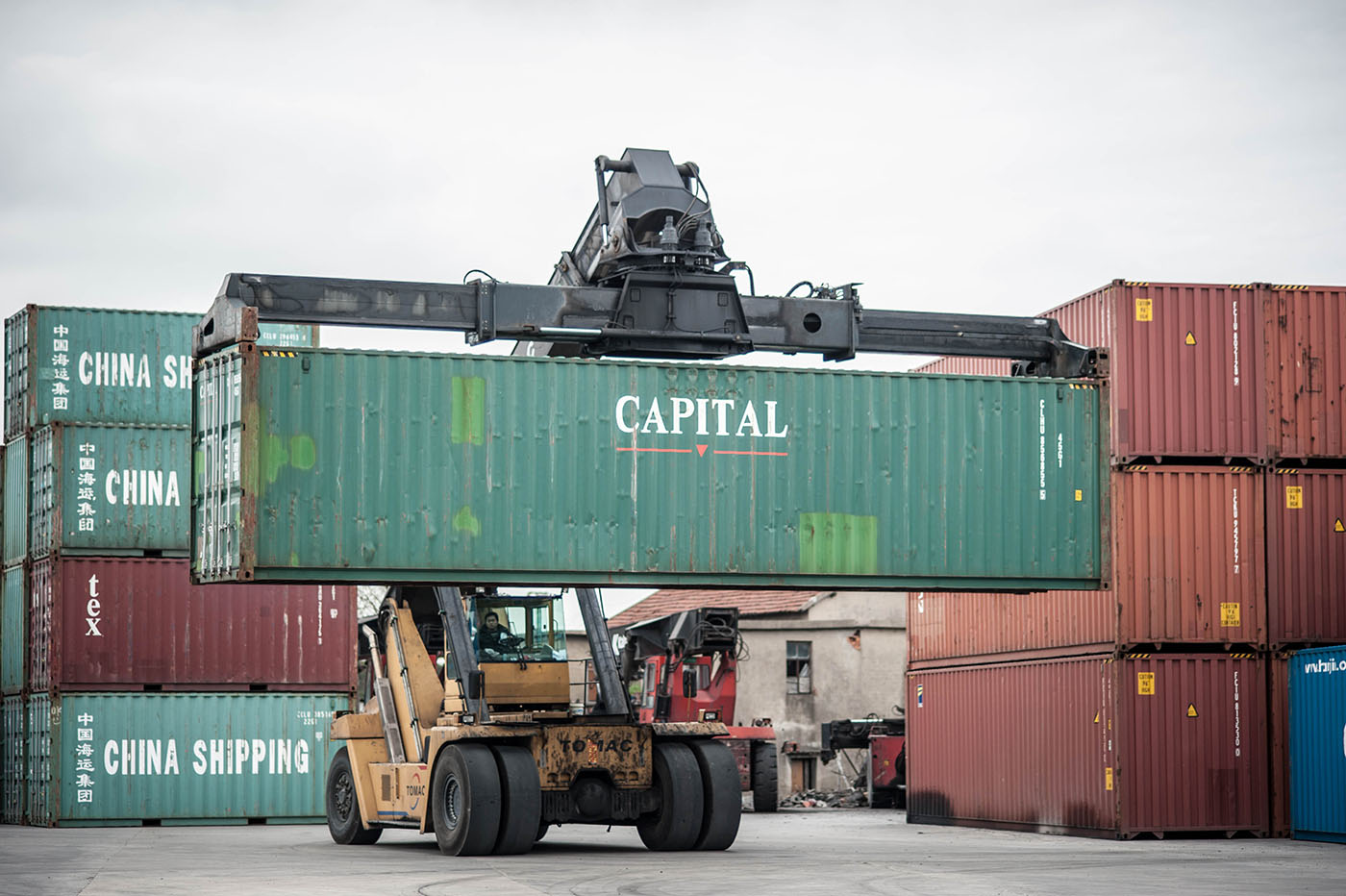
Mechanical lifting equipment makes it easier and safer to move heavy materials, but it also creates serious struck-by and caught-between hazards. A dropped, swinging, or shifting load can cause severe injury or death.
Whenever materials are being hoisted, stay alert to overhead operations and never position yourself beneath a suspended load.
Safe Hoisting Practices
- Keep loads as close to the ground as practical while moving them.
- Use tag lines when necessary to control loads without placing workers in the fall zone. Never wrap a tag line around your hand, arm, or body.
- Use only designated and qualified signal persons when signaling is required.
- Only one person should give signals to the equipment operator, except that anyone may give an emergency stop signal.
- Ensure the signal person can effectively communicate with the operator and observe the operation as required.
- Never hoist or swing suspended loads over workers. Barricade or otherwise control the lifting area to keep unauthorized personnel out.
- Properly rig, balance, and secure loads before lifting.
- Inspect slings, hooks, shackles, wire rope, chains, and other rigging equipment before use. Remove defective equipment from service.
- Never exceed the rated capacity of the crane, hoist, rigging, or lifting equipment.
- Lift and move loads smoothly. Avoid sudden starts, stops, swinging, or shock loading.
- Keep hands and other body parts away from pinch points when landing or positioning a load.
- Never attempt to physically stop or catch a swinging load. Move clear and allow the load to stabilize.
- Monitor wind, lightning, and other weather conditions that could affect safe lifting operations.
- Maintain awareness of overhead electrical lines and required minimum clearances.
- Never leave a suspended load unattended unless specifically permitted by the equipment manufacturer’s procedures and applicable requirements.
Excavation Operations
During excavation work, employees must remain clear of loads being handled by excavators, cranes, loaders, or other lifting and digging equipment.
Employees must not work underneath loads handled by lifting or digging equipment. Workers must also stand away from vehicles being loaded or unloaded to avoid being struck by falling or spilling material.
Remember
If it’s suspended, stay out from under it. Everyone involved in lifting operations must remain aware of the load, equipment movement, swing radius, and designated fall zone. Once a load falls or shifts unexpectedly, there may be little or no time to escape.