


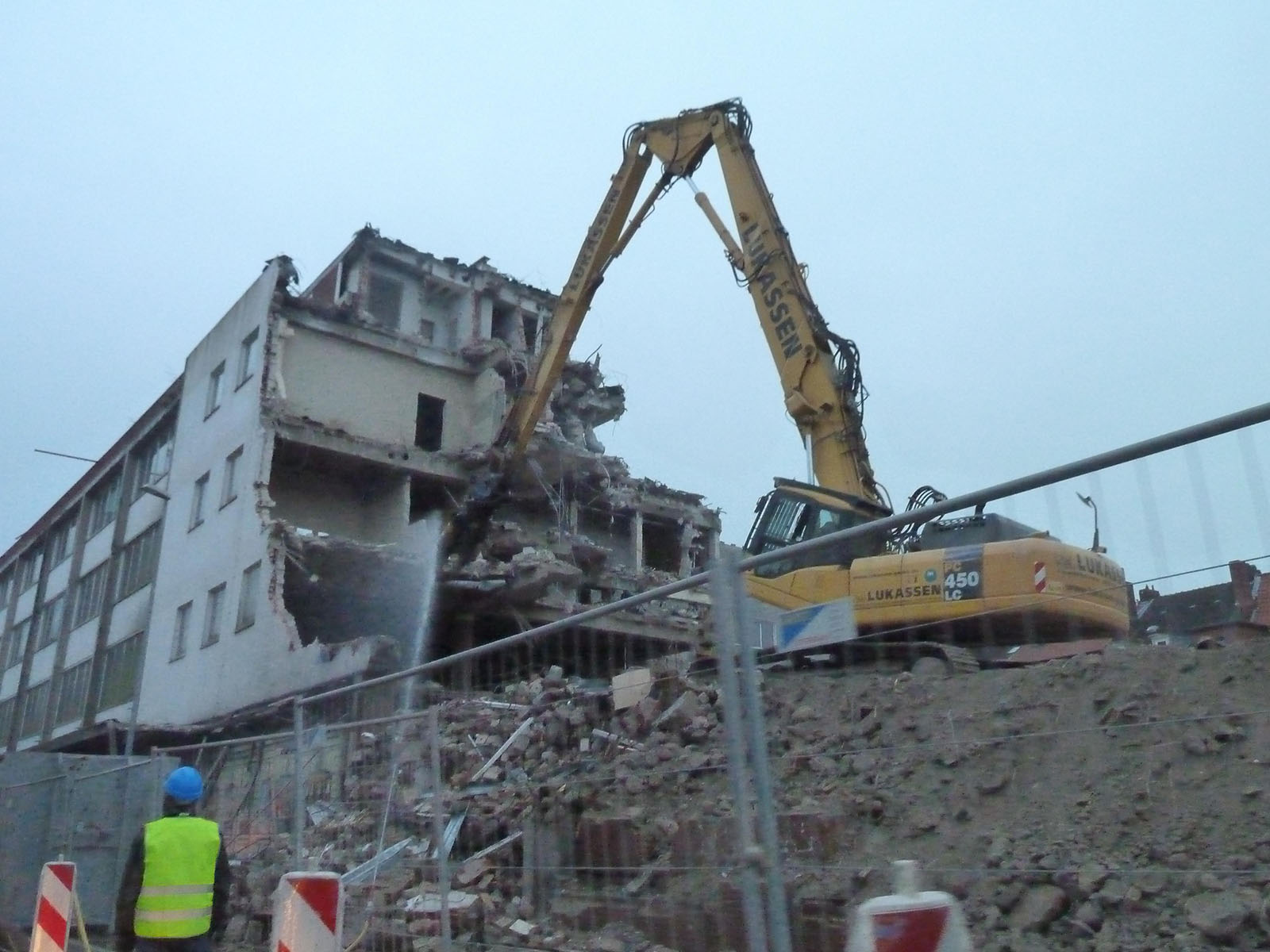
02 Apr Barricades & Warning Devices
Barricades & Warning Devices

Barricades, signs, cones, drums, and other warning devices are essential for protecting employees, motorists, pedestrians, visitors, and the public from construction hazards. They are especially important where work changes normal traffic or pedestrian patterns or creates hazards such as excavations, equipment movement, or restricted access.
Common Hazards
Improperly controlled construction areas can result in:
- Collisions with construction vehicles, trucks, forklifts, or equipment.
- Vehicle-to-vehicle collisions caused by changing traffic patterns.
- Employees or pedestrians entering hazardous work areas.
- Pedestrians or vehicles falling or driving into excavations.
- Vehicles accidentally entering active construction zones.
- Loss of vehicle control due to lane shifts, uneven surfaces, or changing roadway conditions.
- Employees being struck by vehicles or mobile equipment.
Warning and Traffic-Control Devices
Depending on the work and location, warning and traffic-control devices may include:
- Warning, regulatory, and directional signs.
- Traffic cones and tubular markers.
- Drums and barricades.
- Temporary barriers and channelizing devices.
- Flashing or warning lights.
- Temporary fencing or other access-control devices.
- Flaggers when required.
Use only devices appropriate for the hazard and traffic conditions.
General Safety Rules
Barricades and warning devices must provide enough advance warning for people to recognize the hazard and respond safely.
- Install signs and warning devices before employees begin work that exposes them or the public to traffic hazards.
- Position devices so they are clearly visible and provide adequate advance warning.
- Establish a suitable buffer between traffic and employees, equipment, excavations, and other hazards.
- Clearly identify the beginning, direction, and end of the controlled work area.
- Use barricades or barriers to prevent unauthorized entry into hazardous areas.
- Never move, remove, cross, or bypass a barricade unless authorized.
- Inspect traffic-control devices regularly and reposition or replace damaged, displaced, dirty, or ineffective devices.
- Ensure devices remain visible during nighttime work and poor weather conditions.
- Remove or cover signs and devices when they no longer apply so they do not confuse motorists or pedestrians.
Flaggers
Trained flaggers should be used when necessary to safely control traffic, including where traffic must alternate through a single lane or where construction vehicles and equipment interfere with normal traffic flow.
Flaggers should remain visible to approaching traffic, use approved signaling methods and equipment, and position themselves where they have a clear view of traffic while maintaining a safe escape route.
Protecting Pedestrians
When construction affects sidewalks or pedestrian routes, provide a clearly defined and safe alternate path. Keep pedestrians separated from moving equipment, excavations, overhead hazards, and active work whenever possible.
Never direct pedestrians into an uncontrolled traffic lane or hazardous work area.
Remember
Barricades and warning devices are there for a reason. Never assume motorists, pedestrians, or visitors recognize construction hazards. Provide clear advance warning, maintain effective traffic and pedestrian controls, and immediately correct missing, damaged, or displaced devices.